


By Lucy Ashton
NHS Greater Glasgow and Clyde is starting the 2024 term by giving new and existing students everything they need to know about registering with a GP.
Freshers’ Week is the ideal time for students to learn about how best to access appropriate healthcare – including virtual A&E – while they live in the NHSGGC area.
The campaign, following a successful rollout in the last two years, focuses on students who may be away from their usual healthcare services or have recently started at a new campus further from home.
Registering with a local GP is essential to ensure that students can access timely advice while getting treatment for non-life-threatening conditions and ensuring their focus remains on their studies.
Our virtual A&E service allows students to get the advice or treatment they would receive at an emergency department from the comfort of their own home, without having to physically attend at a hospital site. This can be accessed by calling NHS24 on 111.
Dr Kerri Neylon, Deputy Director for Primary Care at NHS Greater Glasgow and Clyde, said: “It is essential that all students have access to the healthcare they require by ensuring they are registered with a local GP.

“Our GP practices can offer a range of treatment options including urgent care needs, illnesses that don’t improve with self-care, and any worries about existing or newly developed health conditions.
“We want to make sure students can focus on their studies without having the stress of worrying where to get access to healthcare if it is required.”
A large proportion of students across Glasgow and West Dunbartonshire are from overseas and NHS Greater Glasgow and Clyde is focused on supporting all students to maintain and improve their health and wellbeing during their studies.
A range of resources including a dedicated student hub and student checklist have been developed for easy access to support the student population.
“As we start to approach winter, we want to make students aware of the correct pathways for their medical requirements,” said Deputy Medical Director Dr Scott Davidson.
“Many students will access A&E as the first port of call for care, and this campaign aims to rectify that.
“Our A&E departments are for urgent or life threatening emergencies, and we want all members of the public, including students, to ensure they are receiving the best possible care within the service best catered to their healthcare needs.”
To find out more about our student campaign, and to visit our dedicated student hub, please visit: Information for Students – NHSGGC


NHS 24 urges students to prioritise health
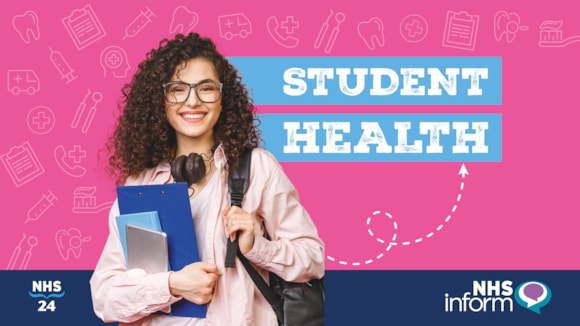
As thousands of students across Scotland are primed to begin their new academic year at college or university, NHS 24 is promoting their health tips to encourage students to make health a central part of their preparations.
The advice, which is tailored specifically for students and is available on Scotland’s online health information service NHS inform, covers topics such as registering for primary care services, vaccinations, finding local NHS services, and mental health.
Dr Siama Latif is Associate Medical Director at NHS 24. She said: “The transition to university life can be an exciting time, but it also comes with new challenges, including being responsible for managing your own health.
“NHS 24’s student health campaign promotes specific actions that students should take to ensure they stay as healthy as possible during their time at university, along with the knowledge on how to access health and care services should they need them.”
NHS 24’s health tips for students include:
- Register with a local GP and dentist: If you’re moving away from home, it’s crucial to register with a local GP and dentist. This ensures you have access to medical care when you need it. Don’t wait until you’re ill to register, as this could delay your access to necessary care.
- Check your vaccination status: Mixing with new people in university environments can increase the risk of infectious diseases, so make sure you’re up to date with all your vaccinations. You can check your vaccination status and arrange vaccination appointments by contacting your GP or your local NHS immunisation team.
- Find out where your nearest NHS services are: Ensure you are familiar of nearby NHS services, including emergency departments, minor injury units, pharmacies, and sexual health clinics. Knowing where to go can save valuable time in an emergency.
- Reach out if you need mental health support: University life can be stressful, so don’t hesitate to reach out if you’re feeling overwhelmed. Some colleges and universities have their own mental health services, and NHS inform has free guides and apps to help with issues such as low mood, anxiety, and stress. For urgent help with mental health, contact your GP practice in the first instance, or out of office hours contact NHS 24 on 111.
Dr Latif added: “If you need health advice while at university, it’s important to be aware that both NHS inform and the NHS 24 Online app are excellent places to access free and trusted health information. Both resources have handy symptom checkers that provide advice on how to safely manage minor illnesses and conditions, and they can also help with locating NHS services in your area.
“Starting university is a significant milestone, and we want to ensure that students are well-prepared to manage their health. By taking these simple steps, students can focus on their studies and enjoy their university experience with peace of mind.”
For more information on student health and how to access NHS services, visit nhsinform.scot/studenthealth.
Top of page: West College Clydebank